
Our Story
Who We Are
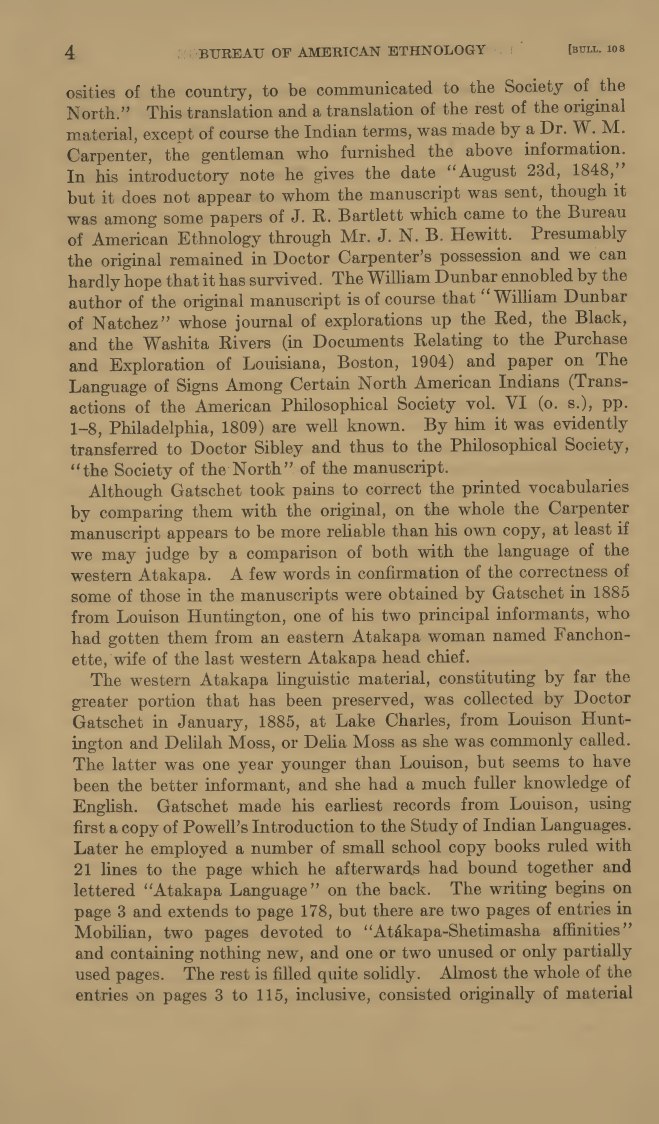
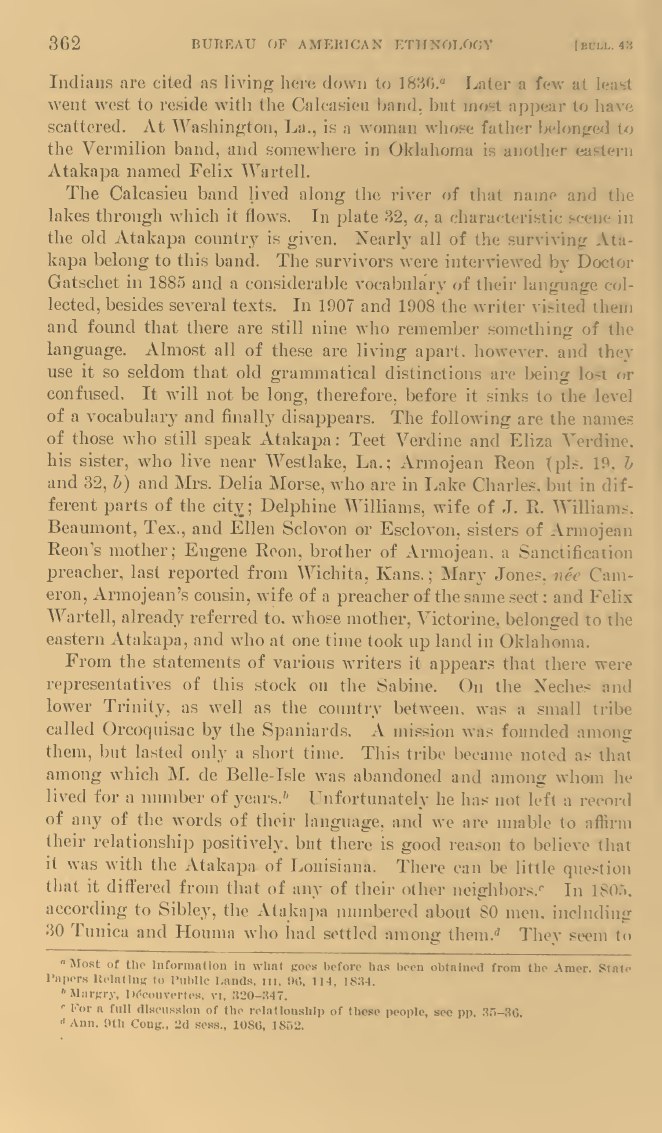
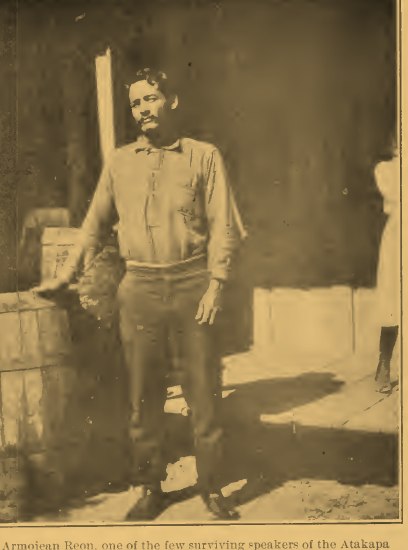
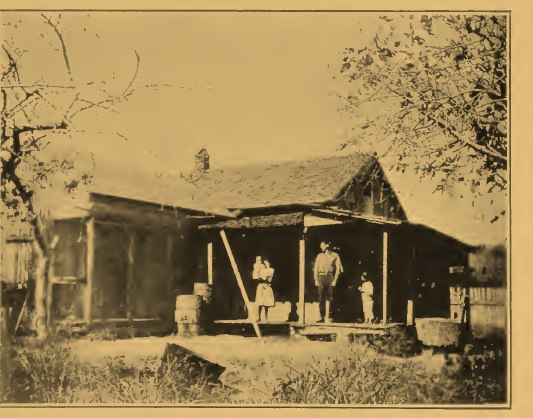
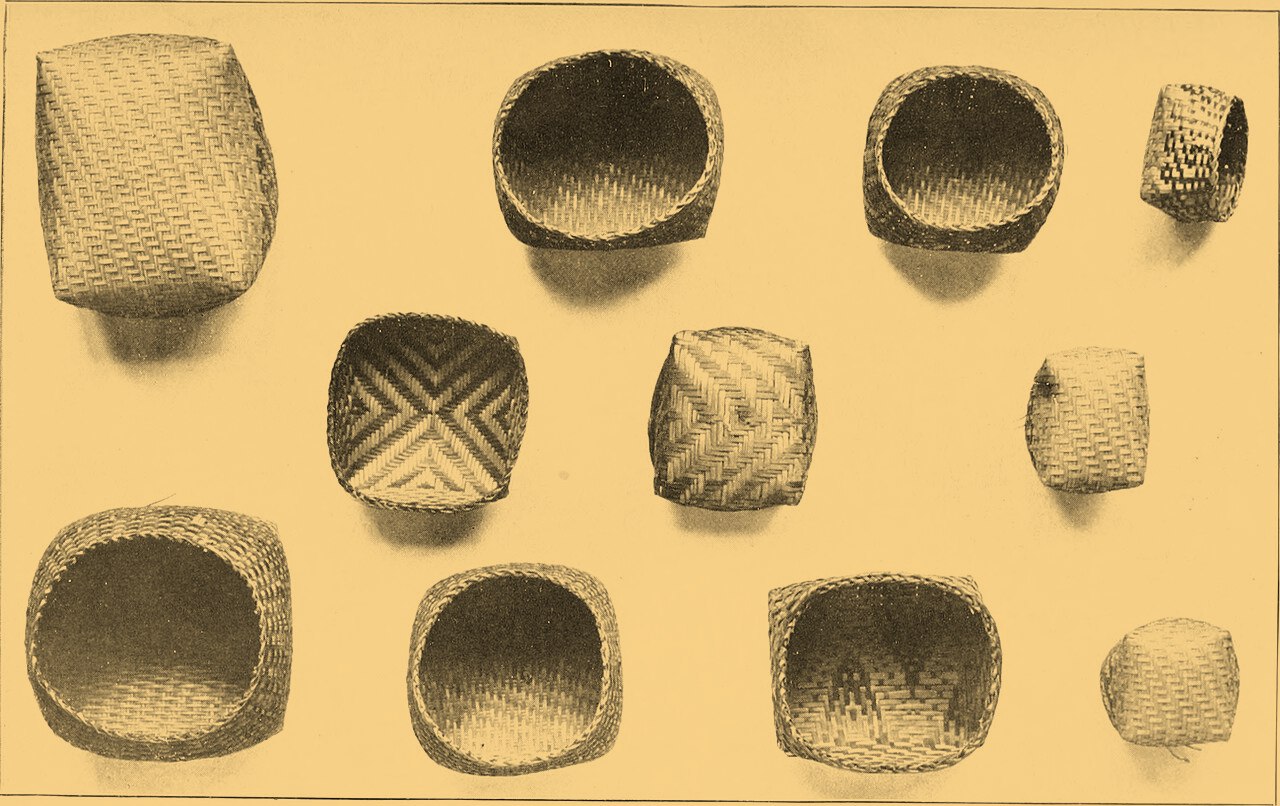
“Ishak, ‘the Human Beings,’ is what we have traditionally called ourselves… From the Colonial Era until now some have referred to us as Atakapa, a name that outsiders have given, one that means ‘man eater.’” “…the term likely refers not to cannibalism but to the specter of enslavement by the Ishak that other Indigenous Nations of the Gulf South feared.”
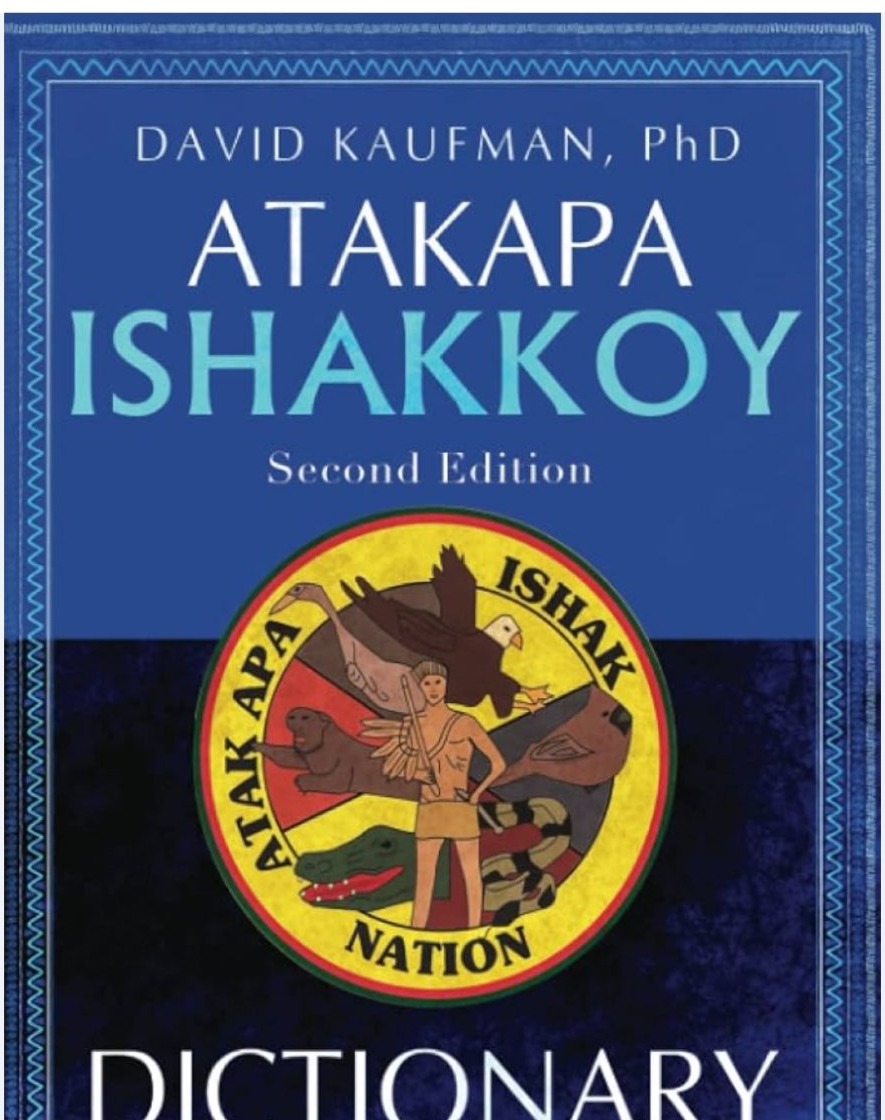
“The self-designated name for this group of Indigenous people is ‘the Ishak,’ a name that approximately means ‘human beings’ or ‘people,’ but it may be related etymologically to the concept of birth, as in ‘those who have been born.’” “During a reorganization of Ishak people in 1996 under the late Chief Hubert Singleton, the name ‘Atakapa-Ishak’ was chosen for what is perhaps the largest current group of Ishak, the Atakapa-Ishak Nation of Southwest Louisiana and Southeast Texas.” “The Ishak — ‘those who have been born,’ ‘the human beings,’ our own name for ourselves — continue to exist and thrive.”
“Our ancestors in the distant past called themselves Ishak because their ancestors did, and so do we.”
Sources: “Ishak Indigenous People,” 64 Parishes, 2022; “Hunting Memories of the Grass Things,” Southern Cultures, vol. 27, no. 1, 2021; National Performance Network, 2021. Full citations in References.
Traditional Lands
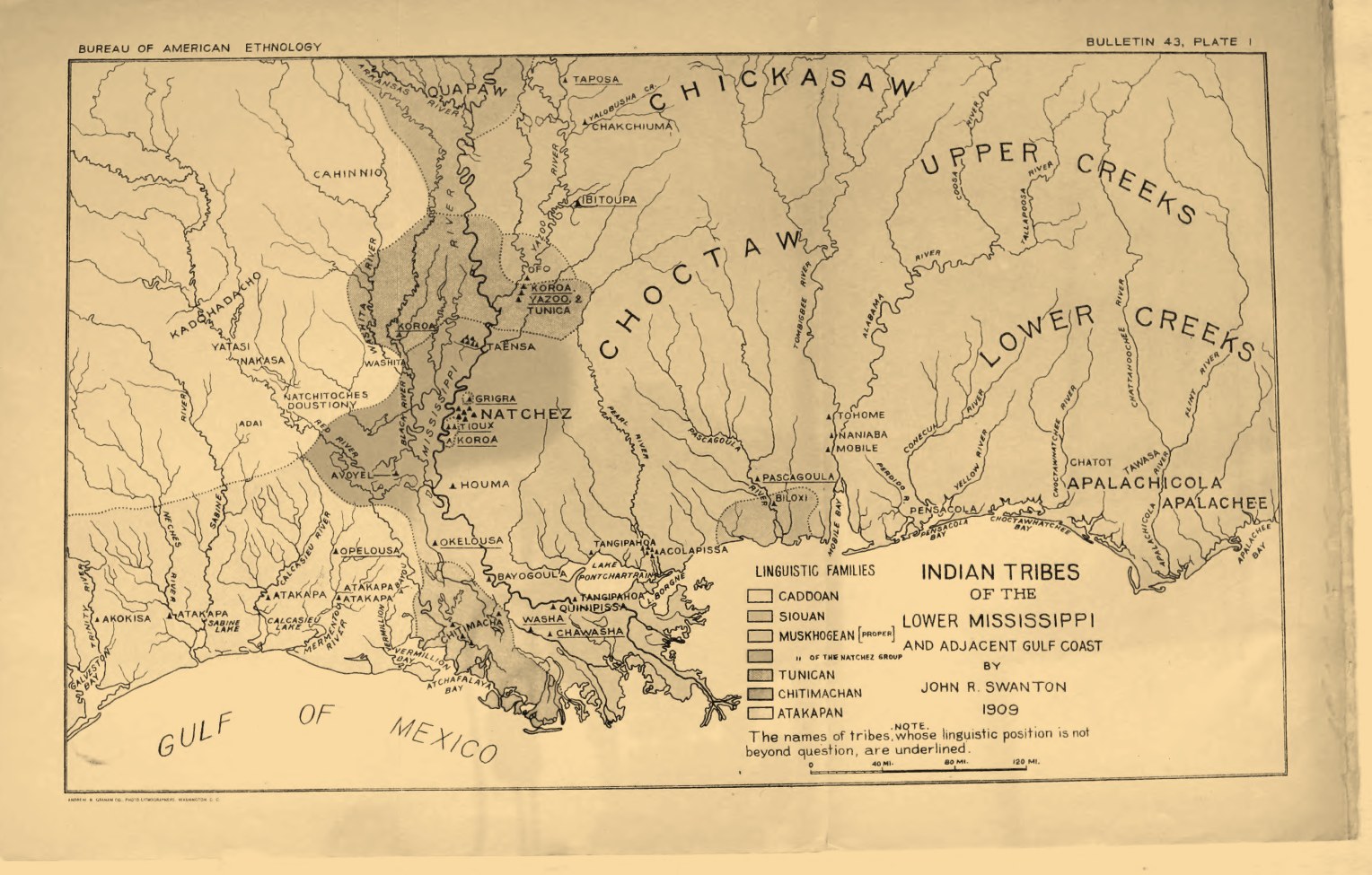
“The Ishak are an Indigenous people who have lived in southwest Louisiana and southeast Texas since precolonial times, with traditional lands stretching from Vermilion Bay to Galveston Bay.”
“In precolonial times, the Ishak lived in territory stretching from what is now known as Vermilion Bay in Louisiana to as far as what is now known as Galveston Bay in Texas. This territory included areas such as Lake Charles, Lafayette, St. Martinville, and Carencro, places where Ishak people still live now.”
Source: “Ishak Indigenous People,” 64 Parishes, 2022.
The Atakapa-Ishak Nation maintains its primary sovereign seat within the traditional heartland of Southwest Louisiana, with continuous familial membership extending into our contiguous precolonial territories of Southeast Texas, stretching historically from Vermilion Bay to Galveston Bay.
Sovereign Lineage and Executive Succession
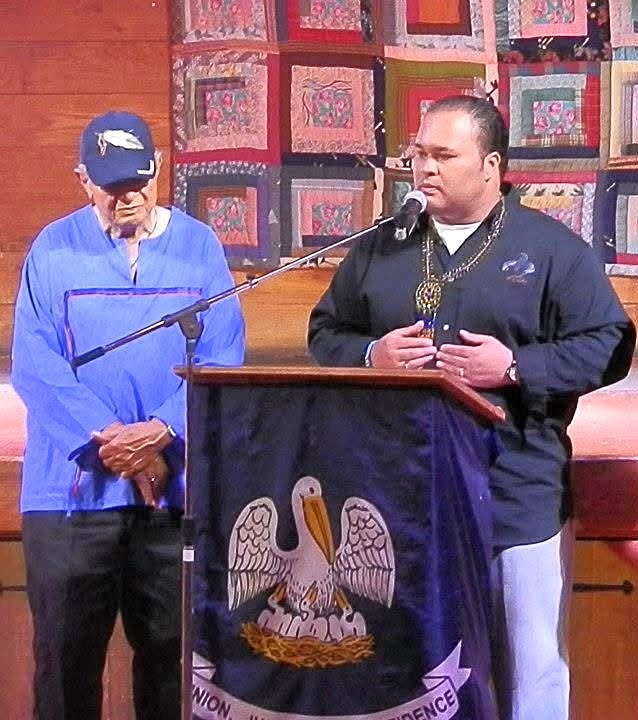
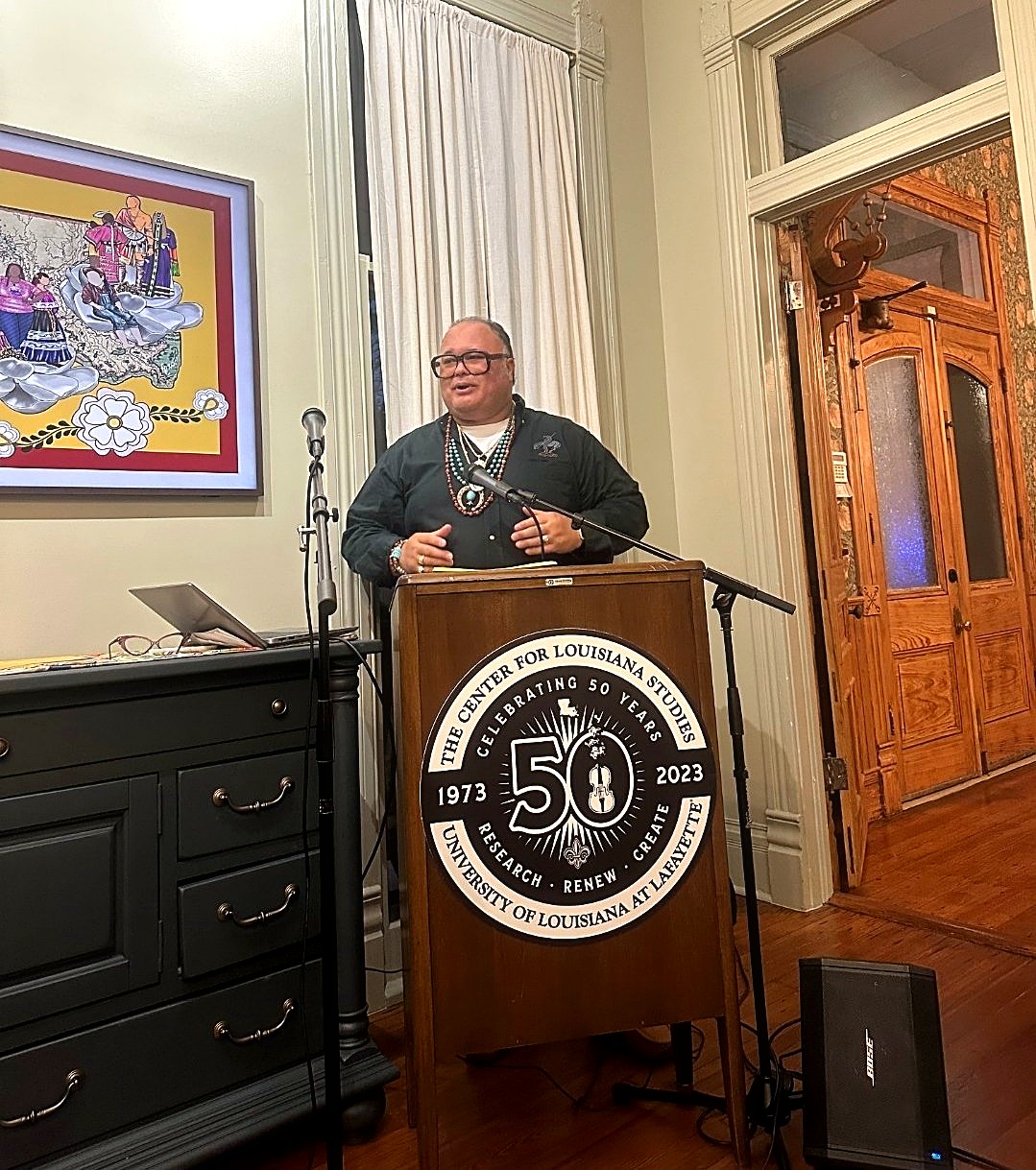
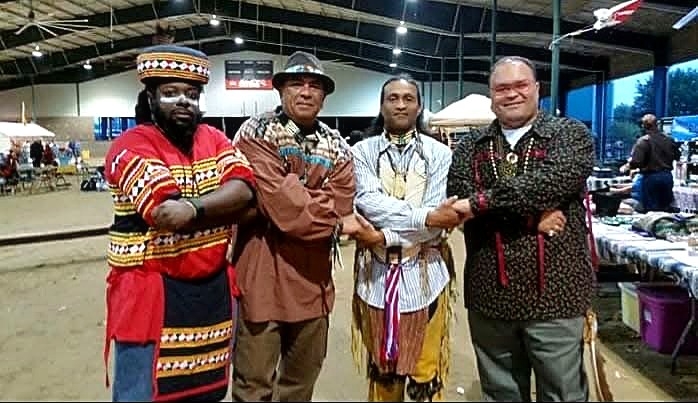
The Atakapa Ishák Nation is guided by a rich legacy of leadership, dedication, and cultural preservation. Our Principal Chiefs have consistently served as the spiritual and organizational anchors of our community, bridging our sacred traditions with the modern era. Through times of challenge and renewal, each leader has carried forward the flame of our sovereignty, ensuring that the voice of the Ishák people remains resilient, proud, and unified.
We honor the profound contributions of the leaders who have shaped our path, protected our heritage, and guided our nation forward:
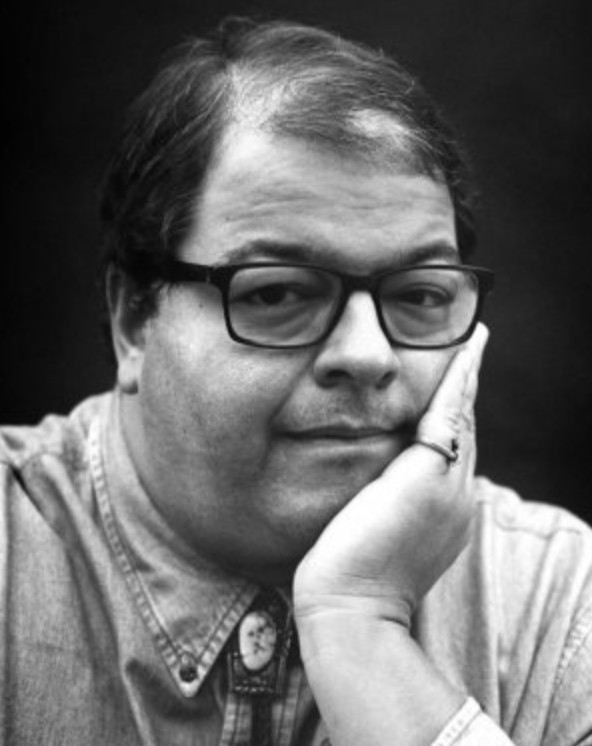
- Chief Hubert Singleton
- Chief Michael Amos
- Chief Edward Chretien Jr. (Chief Emeritus)
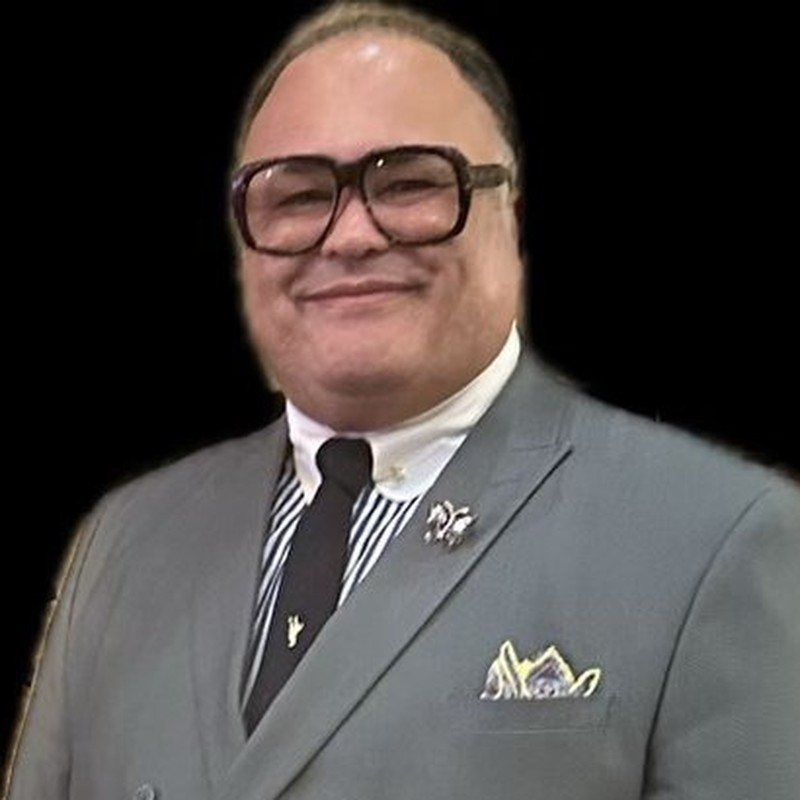
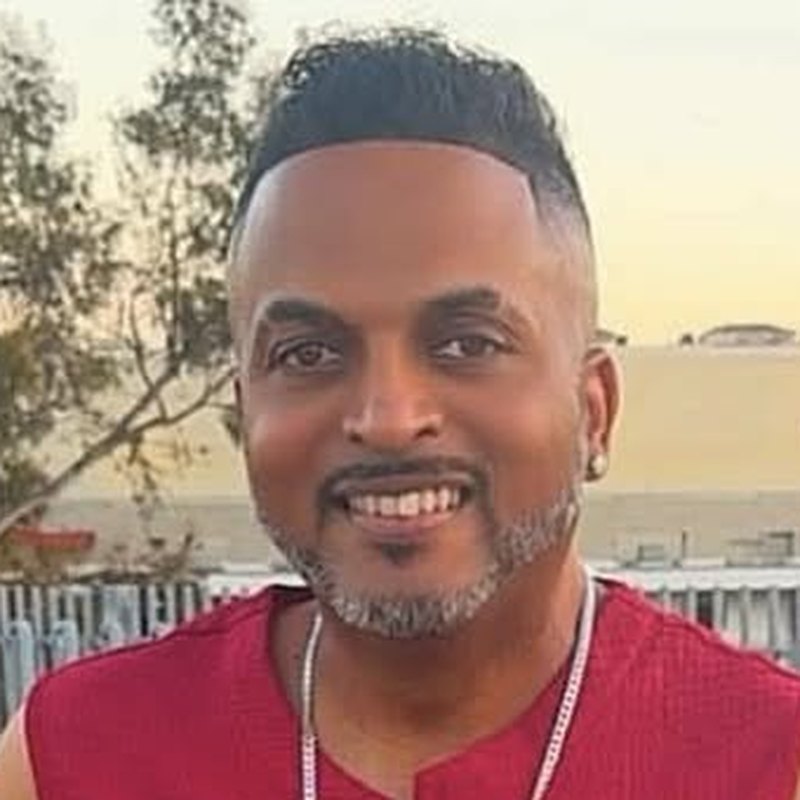
- Chief Shawn Papillion (Walwal) (Current Principal Chief)
Through every storm and every silence, the Ishak never left this land. The People held to the bayous that fed them, the rivers that carried them, and the old words that named them. What was buried was never lost. What was quiet was never gone. The language is being spoken again, the generations are gathering again — we are still here, we are still together, and our story is still being written.